

Air source heat pumps
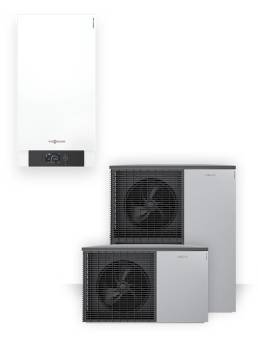
Air source heat pumps extract heat from the air, even when it’s below freezing. This means they can provide heating for your home even in cold weather, while using less energy than traditional heating systems.
How do they work?
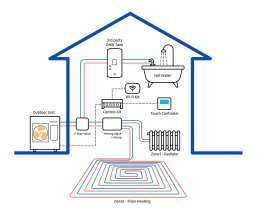
Air source heat pumps work like a fridge in reverse. They pull in air from outside, heat it up, and then use that heat to warm your home. The whole process only uses electricity, and it even works in cold weather.
What’s great about heat pumps:
- More cost-efficient than hot water boilers: Heat pumps can heat your home more cost-effectively than a hot water boiler system. This is because they use electricity to extract heat from the air, which is a free source of energy.
- Better for the environment: Heat pumps are much better for the environment than traditional heating systems. This is because they don’t produce any emissions, so they help to reduce your home’s CO2 emissions and improve local air quality.
- Affordable: Heat pumps are now more affordable than ever before, thanks to 0% VAT and government grants available.
- Self-sufficient: Some models of heat pumps can be used with solar panels to create a more self-sufficient heating system. This means that you can generate your own electricity to power your heat pump, which can save you even more money on your energy bills.
Challenges with heat pumps:
- More expensive to buy than gas boilers: Heat pumps are more expensive to buy than gas boilers, although government support is available. However, the long-term savings on your energy bills can make up for the upfront cost.
- Space and access requirements: Some properties may not have the right space or access to install a heat pump. For example, if you live in a flat, you may not have enough space for the outdoor unit.
- Insulation requirements: To get the best efficiency from a heat pump, your home will need to retain a lot of its heat through good insulation. If your home is poorly insulated, you may not see the same savings on your energy bills.


